1 中断在设备树中的描述
1.1 多级中断控制器
GPIO1 连接到 GIC,GPIO2 连接到 GIC,所以 GPIO1 的父中断控制器是 GIC,GPIO2的父中断控制器也是 GIC。假设 GPIO1 有 32 个中断源,但是它把其中的 16 个汇聚起来向 GIC 发出一个中断,把另外 16 个汇聚起来向 GIC 发出另一个中断。这就意味着 GPIO1 会用到 GIC 的两个中断,会涉及 GIC 里的 2 个 hwirq 。
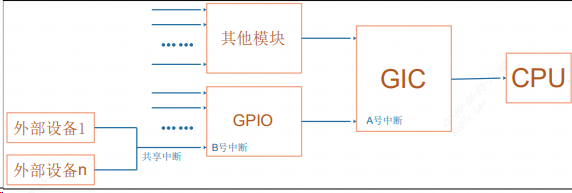
1.2 设备树中断相关属性
interrupt-controller设备树中,中断控制器节点中必须使用此属性表明它是“中断控制器”。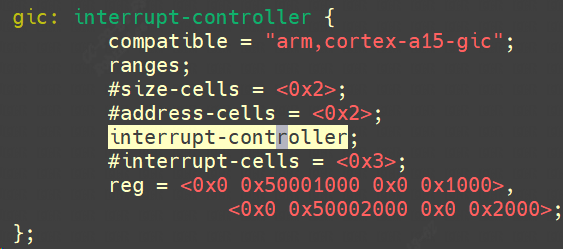
interrupt-cells定义子节点中interrupts属性使用几个cell,每个cell的描述参考具体的驱动文档,如arm,cortex-a15-gic。interrupt-parent定义中断控制器的父节点,需要根据多级中断控制器的结构设置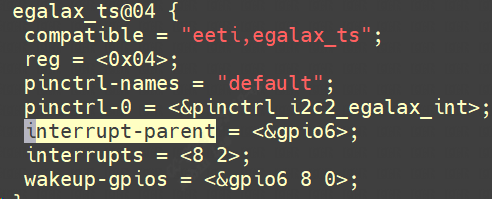
interrupts定义要使用的具体中断号及触发方式,cell个数由父中断控制器节点的interrupt-cells属性定义。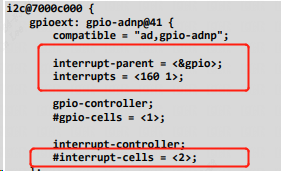
1.3 dts中获取中断
1.3.1 对于 platform_device
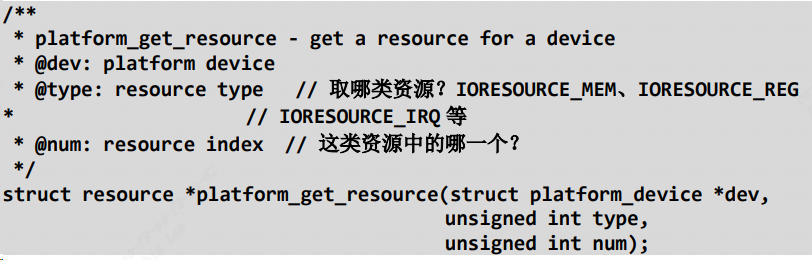
当平台设备和平台驱动match上后,一个节点能被转换为 platform_device,调用platform_get_resource可获取节点资源信息。
extern struct resource *platform_get_resource(struct platform_device *,unsigned int, unsigned int);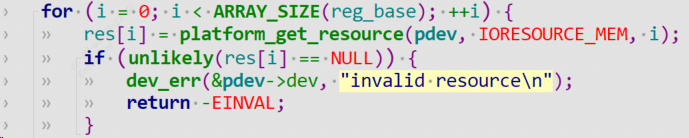
1.3.2 对于 I2C 设备、SPI 设备
I2C 总线驱动在处理设备树里的 I2C 子节点时,Linux总线会自动处理其中的中断信息。一个 I2C 设备会被转换为一个 i2c_client结构体,中断号会保存在 i2c_client 的 irq 成员里,代码如下(drivers/i2c/i2c-core.c),probe函数里面of_irq_get函数会根据dts中的i2c节点获取中断资源并保存在i2c_client->irq中。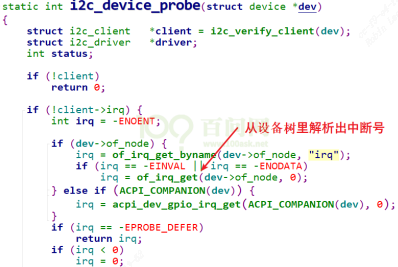
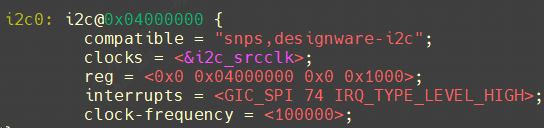 SPI总线同理,一个 SPI 设备会被转换为一个
spi_device结构体,中断号会保存在 spi_device 的 irq 成员里,代码如下(drivers/spi/spi.c):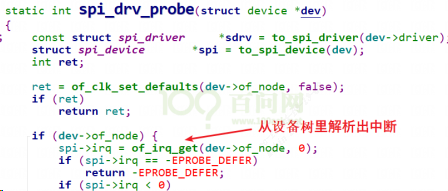
1.3.3 对于 GPIO
参考:drivers/input/keyboard/gpio_keys.c, api路径linux_5.10\include\linux\of_gpio.h
可以使用 gpio_to_irq 或 gpiod_to_irq 获得中断号。
button->gpio = of_get_gpio_flags(pp, 0, &flags);
bdata->gpiod = gpio_to_desc(button->gpio);
//再去使用 gpiod_to_irq 获得中断号:
irq = gpiod_to_irq(bdata->gpiod);
1.3.4 直接从device_node节点中获取irq虚拟中断号
也可以直接调用of_irq_get或者of_irq_get_byname从device_node节点中获取irq虚拟中断号。
2 编写一个按键中断
2.1 按键dts配置
linux内核自带的input子系统本身就包含了gpio按键驱动,驱动程序 drivers/input/keyboard/gpio_keys.c 就可以,然后需要做
的只是修改设备树指定引脚及键值。下面自己写一个gpio按键驱动:
使用gpio5_1, gpio4_14这两个GPIO进行按键实验,这里定义dts节点gpio_keys_100ask如下,需要把原来的节点gpio-keys disable掉,添加下面的gpio_keys_100ask。进入内核目录 make dtbs。
gpio_keys_100ask {
compatible = "100ask,gpio_key";
gpios = <&gpio5 1 GPIO_ACTIVE_HIGH
&gpio4 14 GPIO_ACTIVE_HIGH>;
pinctrl-names = "default";
pinctrl-0 = <&key1_pinctrl &key2_pinctrl>;
};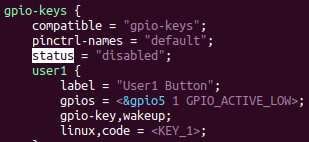 设备树中并没有对这两个引脚进行
pinctrl配置,也就是iomux配置,那为什么这2个引脚还能工作,是因为这两个引脚默认就是gpio状态,不用进行iomux切换。
为了保险起见,按照标准流程还需要对其添加pinctrl信息。
2.1.1 添加2个按键的iomux配置
NXP的官方i.MX Pins Tool工具能够可视化配置pinctrl,复制过来填入到对应的子节点下面:gpio5的iomux配置放在iomuxc_snvs节点下,gpio4的配置放在iomuxc下。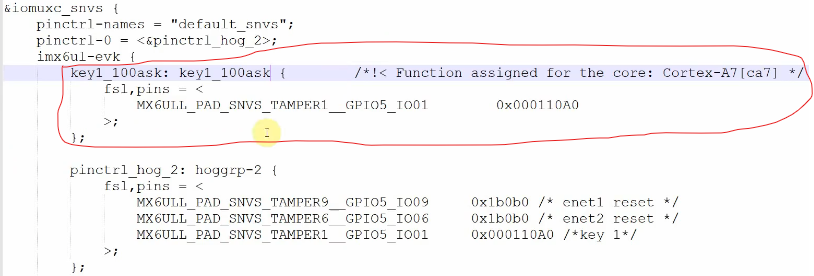

2.1.2 定义按键dts描述
在gpio_keys_100ask中引用这2个pinctrl信息 key1_100ask和 key2_100ask。这里pinctrl-names只有一个default,pinctrl-0表示该默认状态,因此最终gpio5_1, gpio4_14就被iomux成了gpio状态。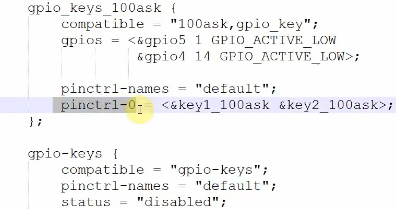
2.2 驱动代码
驱动代码如下
#include <linux/module.h>
#include <linux/fs.h>
#include <linux/errno.h>
#include <linux/miscdevice.h>
#include <linux/kernel.h>
#include <linux/major.h>
#include <linux/mutex.h>
#include <linux/proc_fs.h>
#include <linux/seq_file.h>
#include <linux/stat.h>
#include <linux/init.h>
#include <linux/device.h>
#include <linux/tty.h>
#include <linux/kmod.h>
#include <linux/gfp.h>
#include <linux/gpio/consumer.h>
#include <linux/platform_device.h>
#include <linux/of_gpio.h>
#include <linux/of_irq.h>
#include <linux/interrupt.h>
#include <linux/irq.h>
#include <linux/slab.h>
struct gpio_key{
	int gpio;
	struct gpio_desc *gpiod;
	int flag;
	int irq;
};
static struct gpio_key *gpio_keys_100ask;
static int major = 0;
static struct class *gpio_key_class;
static int g_key = 0;
static DECLARE_WAIT_QUEUE_HEAD(gpio_key_wait);

static ssize_t gpio_key_drv_read (struct file *file, char __user *buf, size_t size, loff_t *offset) {
	int err;
	wait_event_interruptible(gpio_key_wait, g_key);
	err = copy_to_user(buf, &g_key, 4);
	g_key = 0;
	return 4;
}
static struct file_operations gpio_key_drv = {
	.owner	 = THIS_MODULE,
	.read    = gpio_key_drv_read,
};

static irqreturn_t gpio_key_isr(int irq, void *dev_id){
	struct gpio_key *gpio_key = dev_id;
	int val;
	val = gpiod_get_value(gpio_key->gpiod);
	printk("key %d %d\n", gpio_key->gpio, val);
	g_key = (gpio_key->gpio << 8) | val;
	wake_up_interruptible(&gpio_key_wait);
	return IRQ_HANDLED;
}

/* 1. 从platform_device获得GPIO
 * 2. gpio=>irq
 * 3. request_irq
 */
static int gpio_key_probe(struct platform_device *pdev){
	int err;
	struct device_node *node = pdev->dev.of_node;
	int count;
	int i;
	enum of_gpio_flags flag;

	count = of_gpio_count(node);
	if (!count)
		printk("%s %s line %d, there isn't any gpio available\n", __FILE__, __FUNCTION__, __LINE__);
		return -1;
	}
	gpio_keys_100ask = kzalloc(sizeof(struct gpio_key) * count, GFP_KERNEL);
	for (i = 0; i < count; i++)
		gpio_keys_100ask[i].gpio = of_get_gpio_flags(node, i, &flag);
		if (gpio_keys_100ask[i].gpio < 0) {
			printk("%s %s line %d, of_get_gpio_flags fail\n", __FILE__, __FUNCTION__, __LINE__);
			return -1;
		}
		gpio_keys_100ask[i].gpiod = gpio_to_desc(gpio_keys_100ask[i].gpio);
		gpio_keys_100ask[i].flag = flag & OF_GPIO_ACTIVE_LOW;
		gpio_keys_100ask[i].irq  = gpio_to_irq(gpio_keys_100ask[i].gpio);
	}

	for (i = 0; i < count; i++) {
		err = request_irq(gpio_keys_100ask[i].irq, gpio_key_isr, IRQF_TRIGGER_RISING | IRQF_TRIGGER_FALLING
                          , "100ask_gpio_key", &gpio_keys_100ask[i]);
	}
	major = register_chrdev(0, "100ask_gpio_key", &gpio_key_drv);  /* /dev/100ask_gpio_key */
	gpio_key_class = class_create(THIS_MODULE, "100ask_gpio_key_class");
	if (IS_ERR(gpio_key_class)) {
		printk("%s %s line %d\n", __FILE__, __FUNCTION__, __LINE__);
		unregister_chrdev(major, "100ask_gpio_key");
		return PTR_ERR(gpio_key_class);
	}
	device_create(gpio_key_class, NULL, MKDEV(major, 0), NULL, "100ask_gpio_key"); /* /dev/100ask_gpio_key */
    return 0;
}
static int gpio_key_remove(struct platform_device *pdev){
	struct device_node *node = pdev->dev.of_node;
	int count;
	int i;

	device_destroy(gpio_key_class, MKDEV(major, 0));
	class_destroy(gpio_key_class);
	unregister_chrdev(major, "100ask_gpio_key");
	count = of_gpio_count(node);
	for (i = 0; i < count; i++){
		free_irq(gpio_keys_100ask[i].irq, &gpio_keys_100ask[i]);
	}
	kfree(gpio_keys_100ask);
    return 0;
}

static const struct of_device_id ask100_keys[] = {
    { .compatible = "100ask,gpio_key" },
    { },
};
static struct platform_driver gpio_keys_driver = {
    .probe      = gpio_key_probe,
    .remove     = gpio_key_remove,
    .driver     = {
        .name   = "100ask_gpio_key",
        .of_match_table = ask100_keys,
    },
};
static int __init gpio_key_init(void){
    return platform_driver_register(&gpio_keys_driver);
}
static void __exit gpio_key_exit(void){
    platform_driver_unregister(&gpio_keys_driver);
}
module_init(gpio_key_init);
module_exit(gpio_key_exit);
MODULE_LICENSE("GPL");